
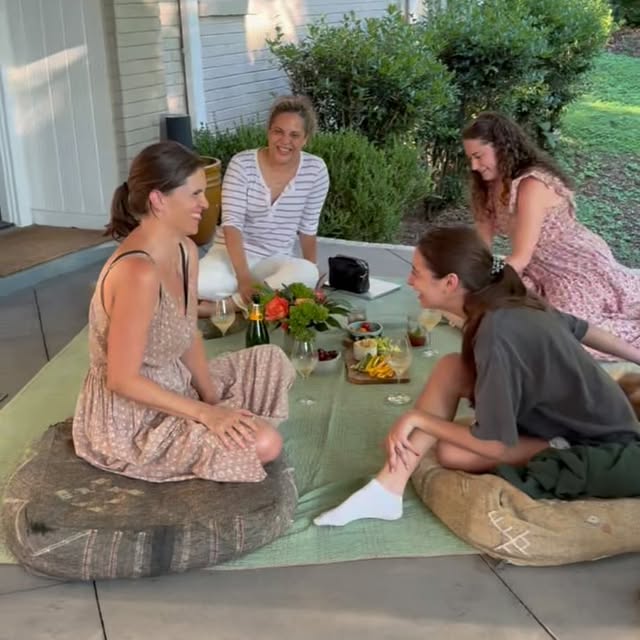
Sip, Swirl, and Learn: How to Tasting Tea Like someone with experience
There’s something quietly transformative about sitting down with a cup of tea—watching the steam rise, noting the color, and finally taking that first delicate sip. But what if tea wasn’t just something you drank—but something you experienced fully, like a fine wine or piece of music? Welcome to the world of sensory tea practice, where taste becomes a ritual, and every cup is an opportunity to connect with nature, tradition, and self.
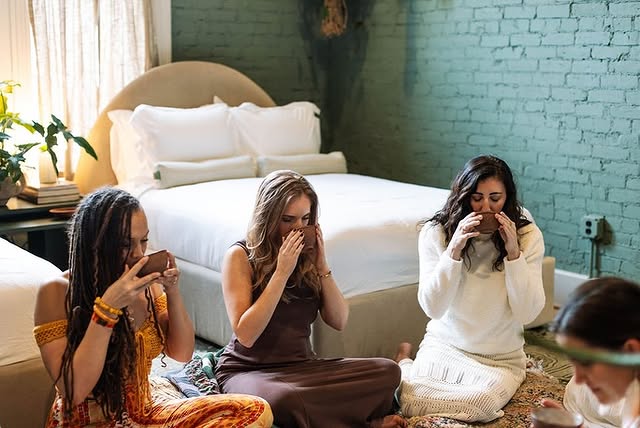
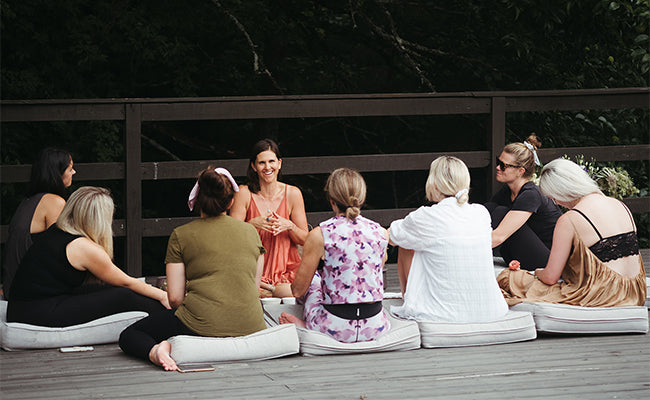
At Teahuntress, our tea tasting retreat is designed to awaken the senses and guide you toward a deeper, more intentional relationship with tea. Whether you’re new to the world of loose-leaf or a seasoned sipper, learning how to taste tea like a pro opens the door to a more refined palate and a more grounded life.
Why Learn to Taste Tea?
Most people drink tea passively. They boil water, dunk a bag, and move on with their day. But for those drawn to ritual, healing, and presence, tea offers so much more. Tasting tea professionally—whether for personal ritual or to support a tea career—is about slowing down and truly noticing what’s in your cup.
Tea tasting is a mindful act. It asks you to be present, to observe, to notice. It’s a meditation that trains your senses to detect nuance in aroma, flavor, body, finish, and even energy. And just like yoga or journaling, it becomes a practice that reveals more about you over time.
Step 1: See the Leaf
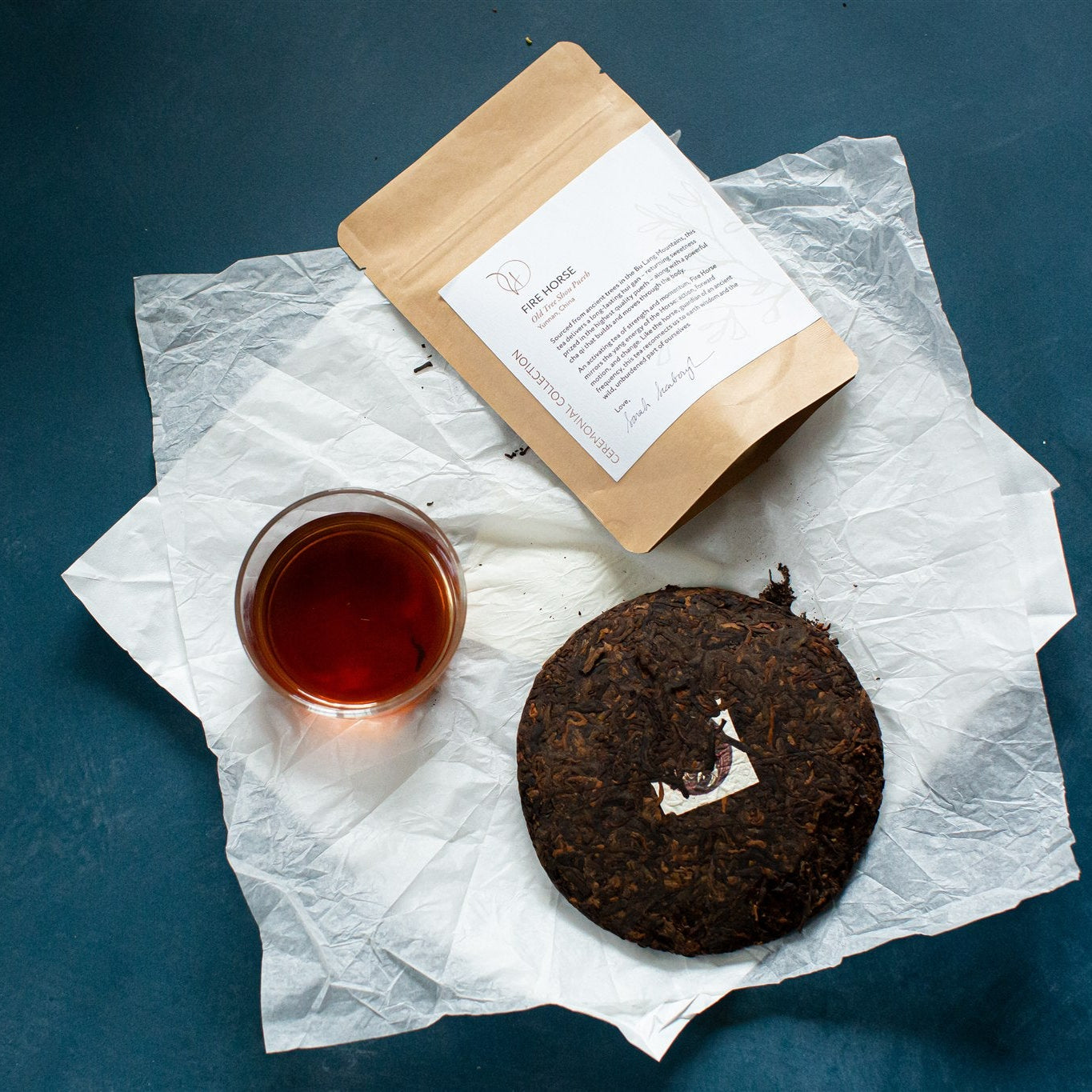
Before hot water ever touches your tea, look at it. What does the dry leaf tell you? Is it tightly rolled or loosely twisted? Green, dark, or somewhere in between? With experience, you’ll begin to distinguish teas not just by color, but by shape, size, and integrity of the leaf.
This is especially true with Teahuntress’s wild-crafted teas like Forest Queen (Old Tree Shou Puerh) or Iron Monk (Rock Oolong), where nature’s energy is preserved in every hand-harvested curl.
Step 2: Smell the Aroma
Fragrance is everything in tea. Prior to and following the brewing, bring the leaves right up to your nose. What do you notice? Earthy moss? Toasted grain? Floral perfume? A well-trained taster can detect dozens of aromatic notes, even those reminiscent of wild mushrooms, orchid blossoms, or aged wood.
A key part of our tea tasting course involves training your olfactory memory—learning to match scent to sensation and origin. As you swirl the cup beneath your nose, imagine yourself in the misty Phoenix Mountains of China or the forests of Yunnan.
Step 3: Listen to the Pour
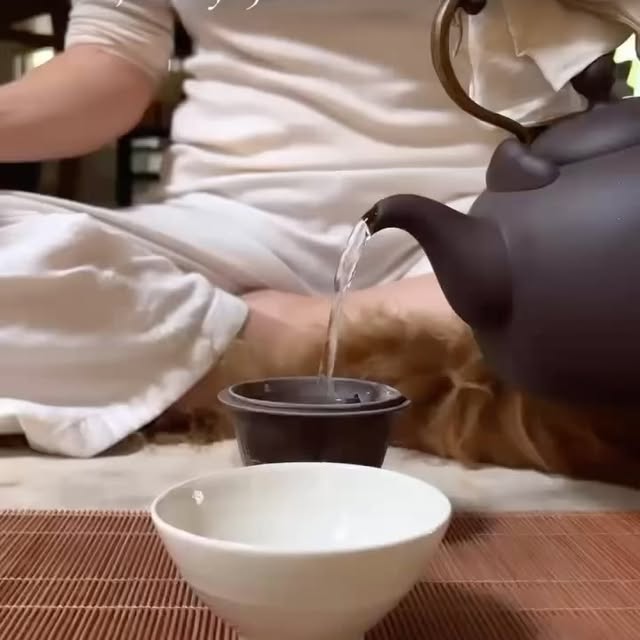
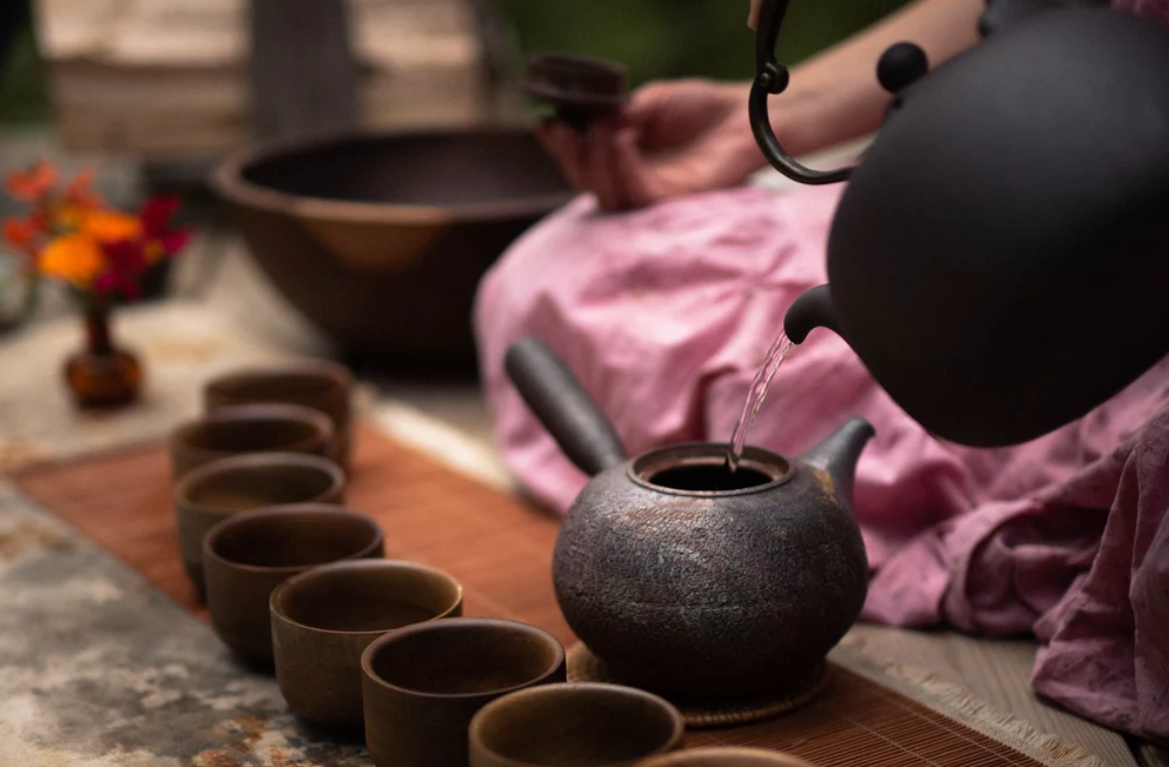
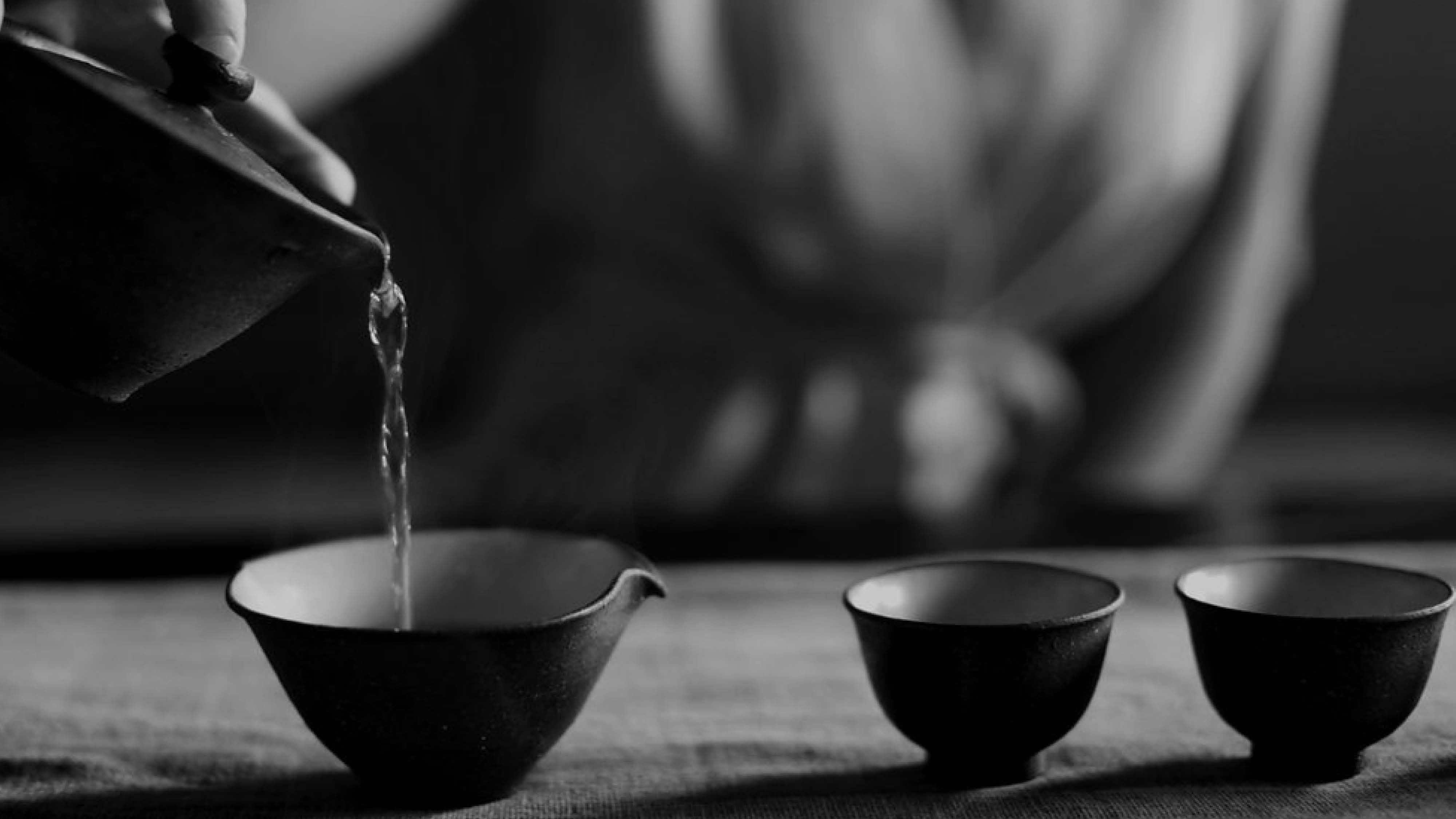
This might sound unusual, but sound plays a subtle role in tea tasting. The rhythm of pouring hot water over the leaves can set the tone for your session. Is it slow and calming or fast and invigorating? Listen to how the water sings and the kettle murmurs. It's all part of the sensory tea practice that we promote at Teahuntress.
Step 4: Taste and Texture
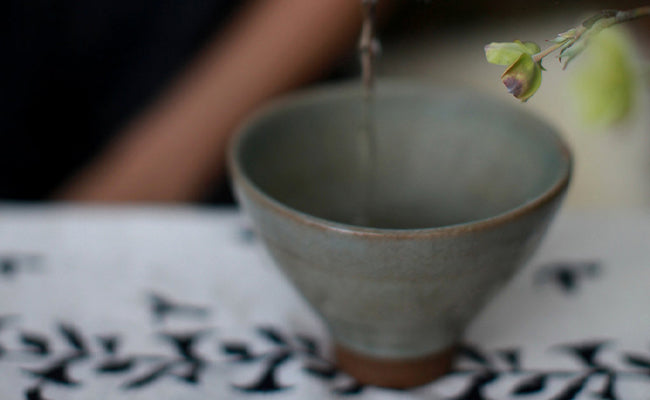
Now, finally—sip. But don’t just drink. Taste. Let the tea roll across your tongue. Notice the top, middle, and end notes. Is it sweet, mineral-rich, bitter, umami? Is the body thick like honey or light like spring water? How does it feel in the mouth?
In our tasting sessions, we explore not just flavor profiles, but how different teas interact with your mood and body. A tea like Rising Phoenix (Wild Dan Cong Oolong) might start floral and end smoky. Rhythm (Wild Red Tea from Taiwan) might feel bold and grounding, making it ideal for morning rituals.
Step 5: Feel the Energy
Professional tasters don’t stop at flavor. They focus on the qi—the energetic fingerprint of a tea. Some teas, especially those in our Ceremonial and Wellness Collections, carry a subtle but powerful energy. It might be cooling, warming, heart-opening, or mentally clarifying.
This is where tea becomes more than a beverage—it becomes medicine, story, and spirit. And when you learn to taste this way, your tea practice becomes a lifelong path of discovery.
What You’ll Learn in a Teahuntress Tea Tasting Course
Our online tea tasting course was designed for intuitive, conscious learners who want more from their cup. You’ll learn:
-
How to identify major tea categories by taste and aroma
-
Sensory vocabulary for describing what you're sipping
-
Ritual techniques for setting a sacred tea space
-
Techniques from ancient tea traditions blended with modern mindfulness
And perhaps most importantly, you’ll learn how to trust your own sensory wisdom—how to know what tea your body and spirit are asking for on any given day.
Who Is This For?
This course isn’t just for aspiring tea professionals—although many start here. It’s for creatives seeking stillness, wellness seekers looking for plant-based healing, and anyone ready to reconnect with their intuition through the art of tea.
Whether you’re diving deep into Forest Queen’s earthy wisdom or swirling a daily cup of Wood Dragon to energize your soul, tea tasting offers an anchor in an otherwise chaotic world.
Bring Sensory Awareness Into Everyday Life
The beauty of learning to taste tea is that it sharpens your perception in other areas of life. You begin to smell more, feel more, hear more. You become attuned to beauty in all its subtle forms. Cooking, bathing, walking—these too become rituals. Because you’ve trained yourself to notice.
And once you’ve practiced this awareness with tea, you carry it with you always.
Join the Journey
If you’ve ever felt like your tea practice was missing something, if you crave more meaning in your cup or long to truly understand what you’re sipping—this is your invitation. Enroll in a Teahuntress tea tasting course and start tasting tea like a pro, from the comfort of your own sacred space.
Because at Teahuntress, we don’t just teach you to brew tea. We guide you to feel it.