
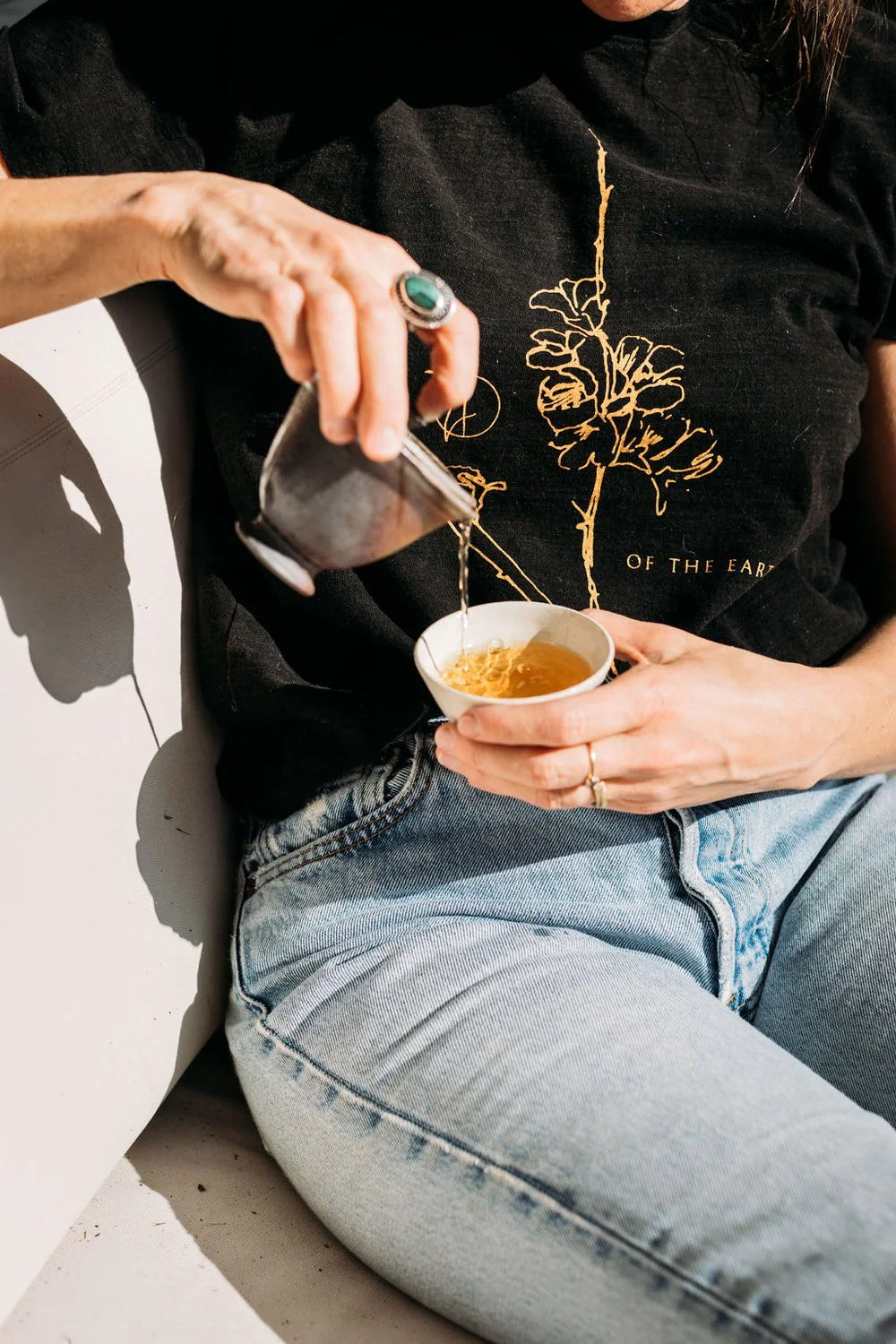
Tea, Texture, and Tranquility: Designing a Sensory Tea Room
In an age of overstimulation, the modern American home is increasingly becoming a sanctuary for stillness. Among the most soulful expressions of this movement is the rise of personal tea rooms—spaces that invite quiet, intention, and a deeper return to self. At Teahuntress, we believe your tea ritual is more than a beverage—it’s a practice of sensual nourishment, energetic recalibration, and sacred self-care. Designing a tea room isn’t about perfection. It’s about presence. And every element—especially texture, aroma, light, and sound—becomes a portal into a sensory ritual experience.
Let’s explore how to create a tea room that stirs your senses and calms your soul, with pieces chosen not just for style, but for spirit.
A Tea Room Designed for the Soul
When searching for inspiration around tea room design in the USA, you’ll find everything from sleek modern minimalism to rustic, Zen-like corners. But the true heart of a tea room is not in its aesthetics alone—it’s in its ability to guide you inward. Your tea space should evoke the feeling of stepping out of ordinary time and into intentional slowness.
At Teahuntress, our products—teas, tools, bowls, and sacred objects—are curated not only for their beauty, but for how they invite you into a fuller sensory experience. Whether you have an entire room or just a window-lit nook, the energy you cultivate matters more than square footage.
Begin with Texture: The Language of Touch
Texture is the secret soul of any sensory environment. It’s what your hands feel, what your feet land on, what your skin brushes against when you settle in. In a tea room, texture is everything.
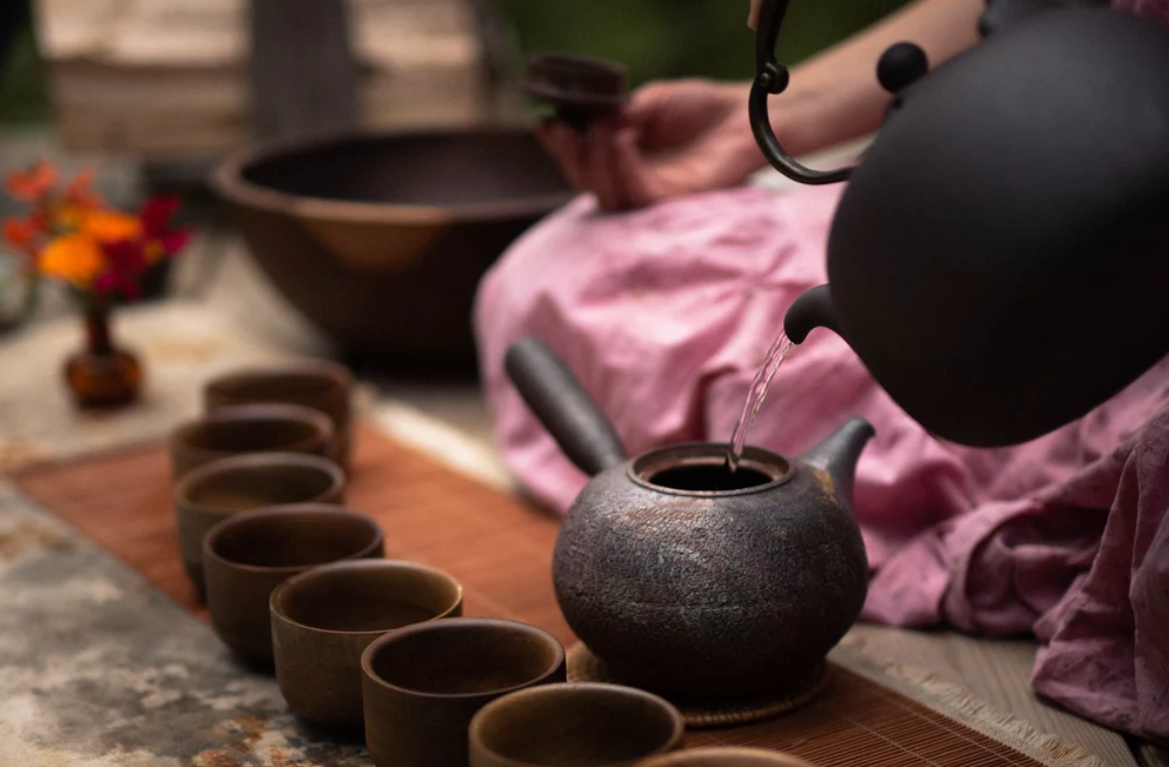
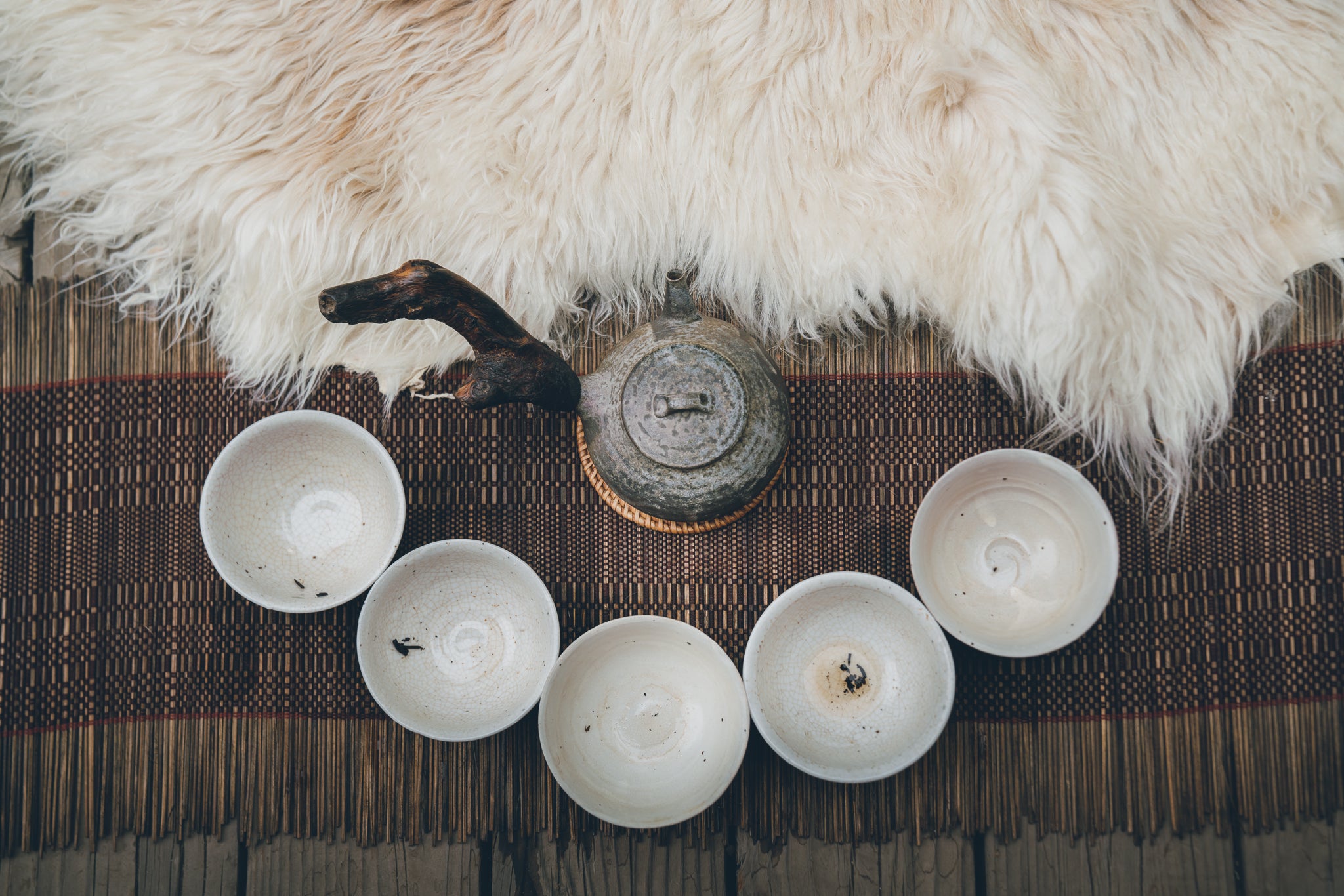
Start with the foundation—a woven mat, plush rug, or natural fiber floor cushion can signal that you’re entering a different rhythm. Layer soft throws, linen drapes, or handloom pillows to create warmth and invitation.
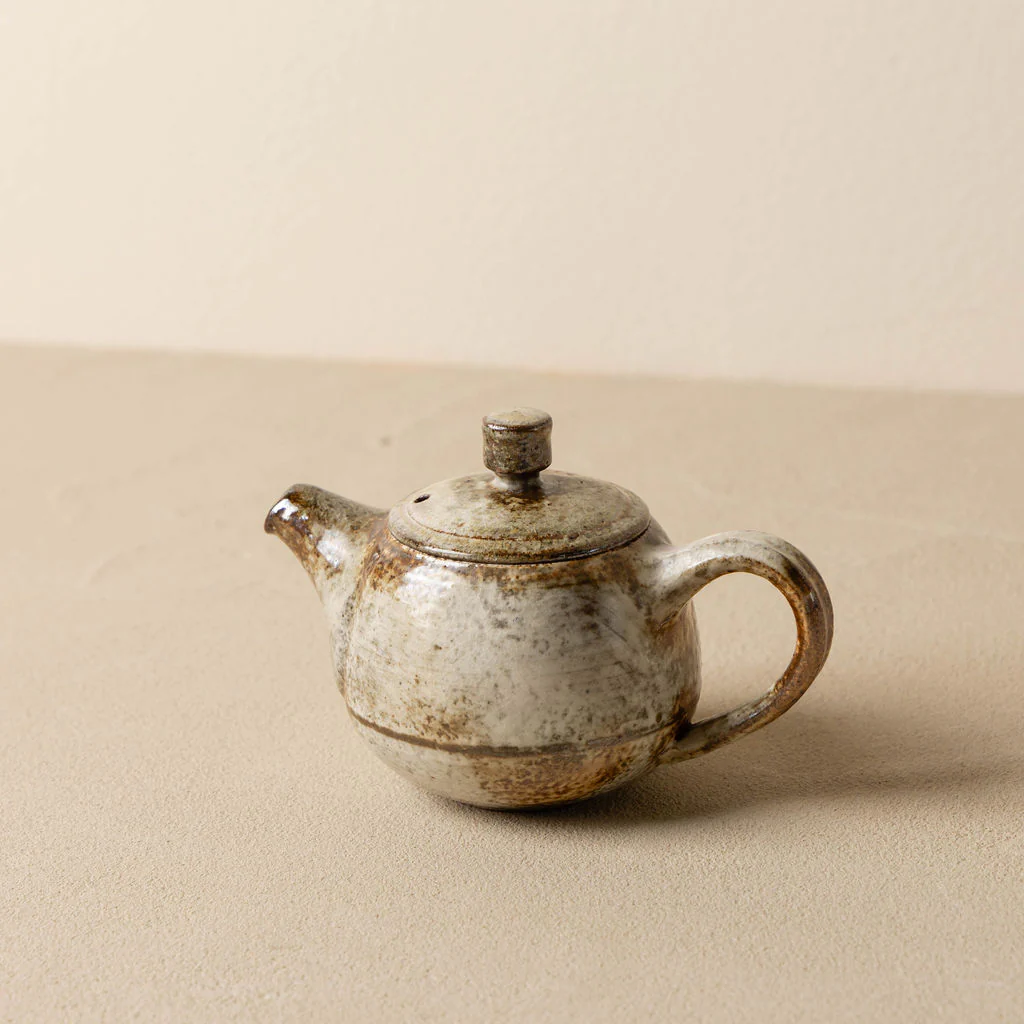
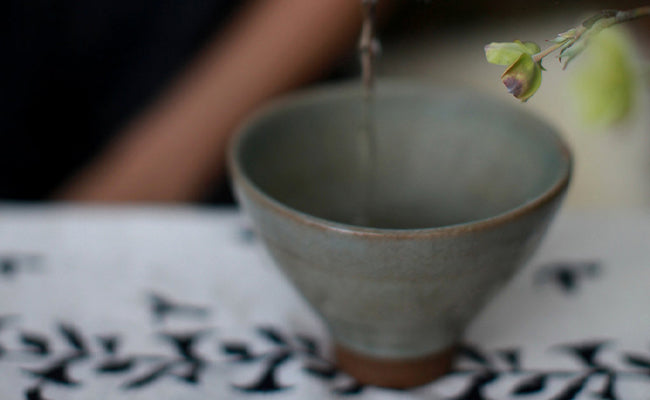
Teahuntress’s cups, bowls, and tea tools are intentionally designed to engage your sense of touch. The gentle ridges of a hand-thrown matcha bowl or the cool, steady weight of an iron kettle offer grounding—a physical anchor for your practice.
Let Light Become Ritual
In a sensory tea room, light is not just illumination—it's a ceremony.
Opt for diffused, natural light where possible. If you’re creating your space indoors, try gauzy curtains or soft lamps that cast a golden glow. Candlelight is a beloved companion to tea rituals, offering both atmosphere and symbolism. Flame, like tea, reminds us of the element of fire—the beginning of alchemy.
Place your tea table or tray in a spot where morning or afternoon light filters through gently. This isn’t only about beauty—it’s about teaching your nervous system to soften and your breath to slow.
Embrace Silence and Sound
The best tea rooms are quiet—but not empty.
Sound can shape your sensory ritual experience in subtle and profound ways. Some prefer absolute silence; others find depth in low instrumental tones, nature sounds, or Tibetan bells. Let your room hold space for whichever soundscape brings you back to presence.
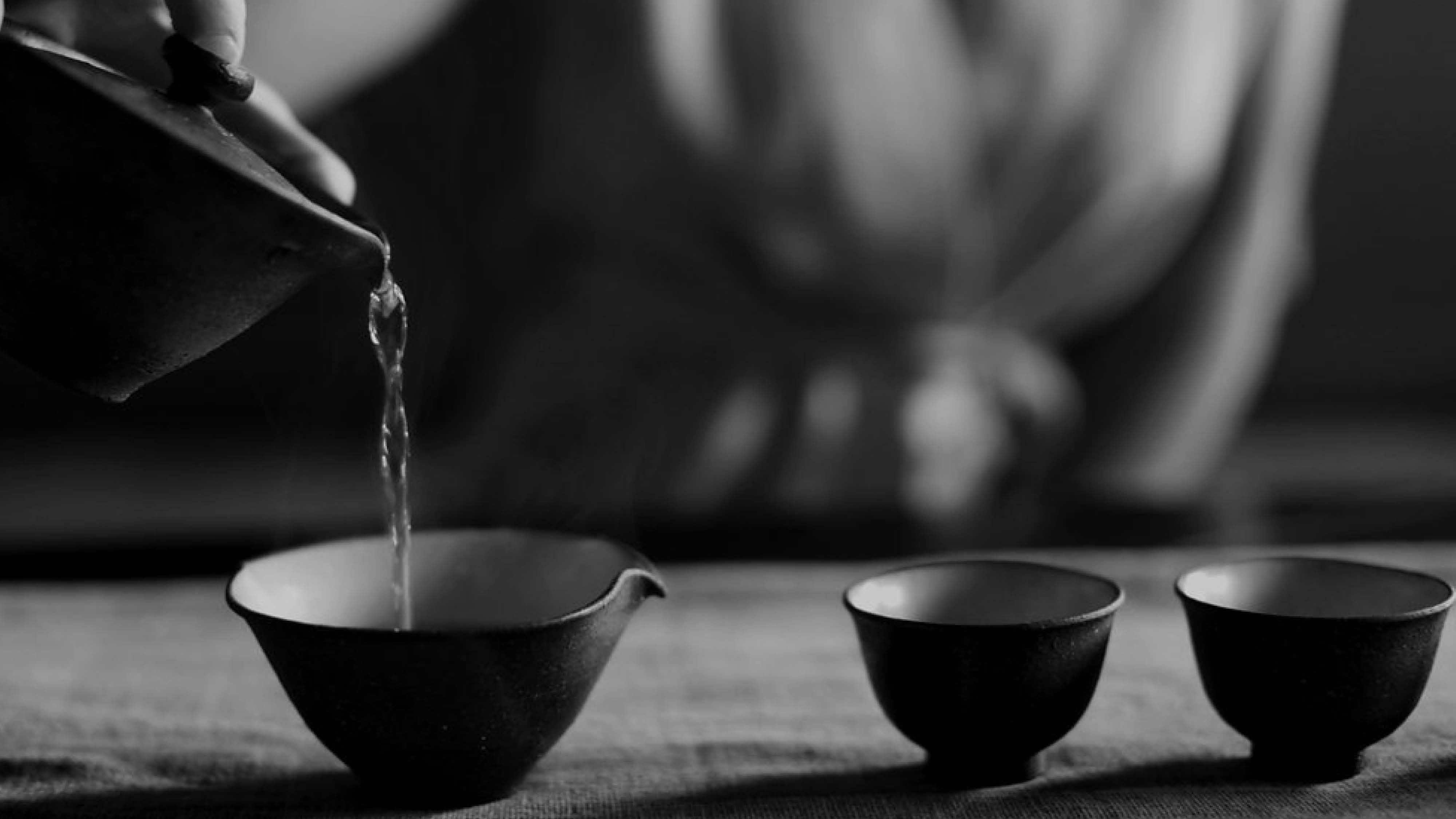
The sound of water pouring into your kettle. The whisking of matcha. The soft click of ceramic against wood. These sounds are part of the ritual. Invite them in.
Scent and Steam: Aroma as Portal
Scent is memory. Scent is emotion. And when combined with steam rising from your cup, it becomes a sacred bridge between worlds.
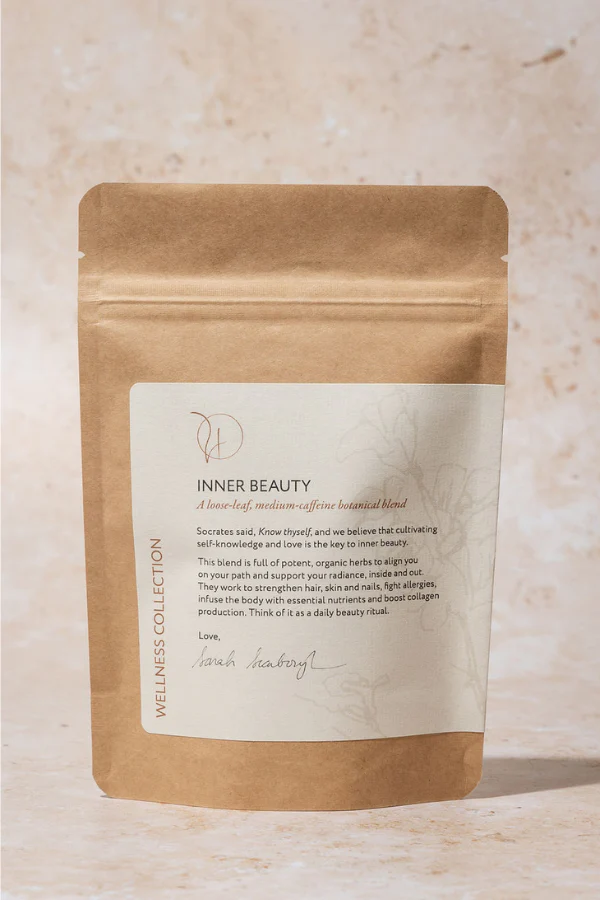
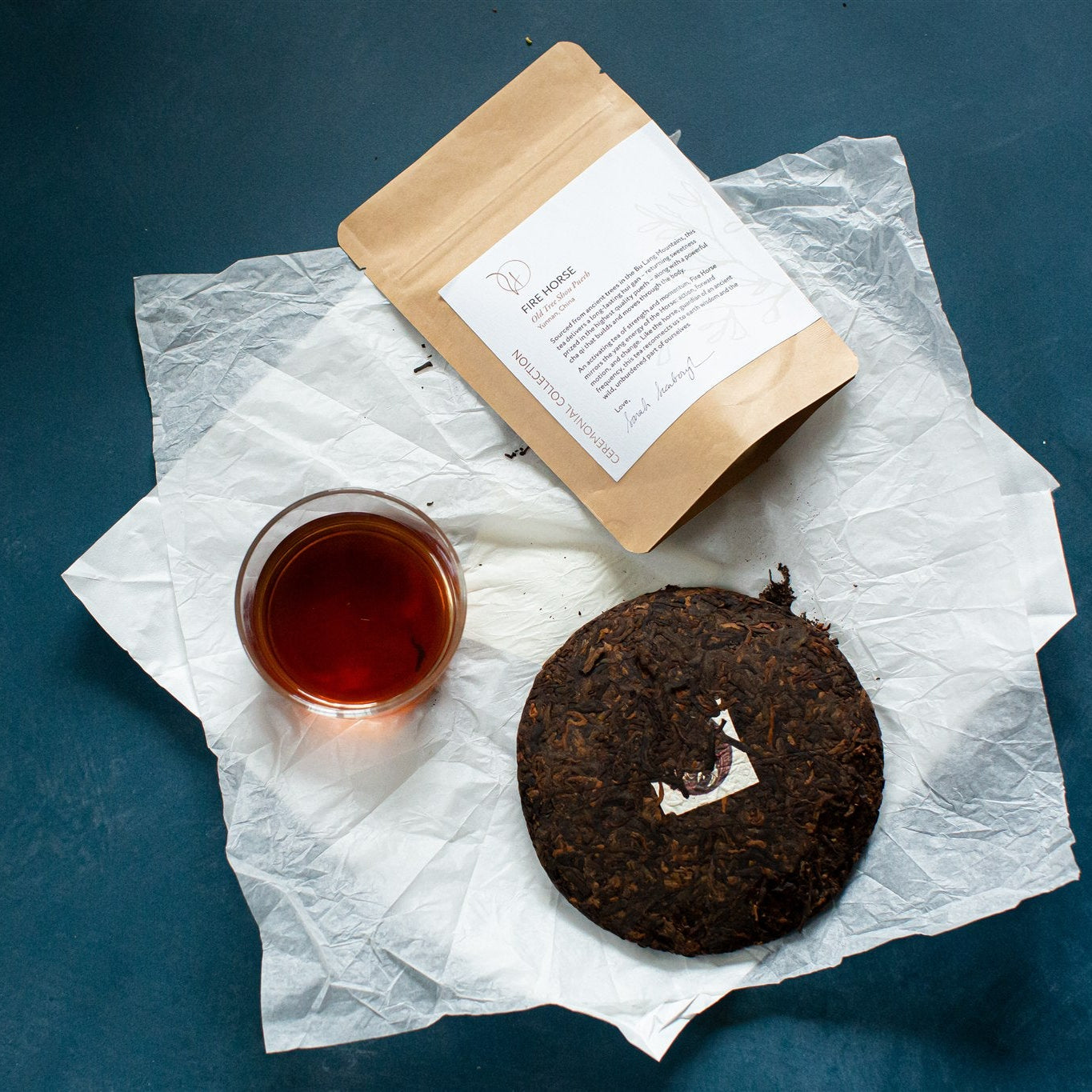
Choose teas whose fragrances nourish and transport you. Teahuntress’s Alchemy, Forest Queen, and Moon Milk blends offer intricate, layered aromas—rooted in ancient groves, wild gardens, and herbal medicine. Let these scents shape the energy of your space.
You might also include botanicals like palo santo, dried lavender, or loose incense to deepen the sensory ritual. Keep them nearby, not as decoration, but as intuitive tools for moment-to-moment recalibration.
Curate with Care, Not Clutter
The key to successful tea room design—especially for modern American homes—is restraint with resonance. Don’t aim to fill the space. Aim to attune it.
Keep only the objects that hold energetic value. A chasen (whisk), chawan (bowl), and iron kettle are more than tools—they are portals.
Teahuntress’s Sanctuary Collection was created for precisely this purpose: to offer ritual objects that feel meaningful and made with intention. From ancient stoneware bowls to hand-forged utensils, each piece has been selected to support not just tea preparation—but soul restoration.
Design for Daily Ritual
Finally, let your tea room be a used space. Too often, we build sacred corners we forget to inhabit. Instead, design yours for daily ritual—even if only for five minutes in the morning.
Leave your teacup out as an invitation. Let the kettle live on the altar of your countertop. Set the scene for tea not as a special occasion, but as a way of being. This is how rituals become life-giving—not through ceremony alone, but through consistency.
The Teahuntress Way: Sacred, Sensory, and Simple
At Teahuntress, we see tea as a path home—to stillness, to nature, to the self. Designing your tea room is not about achieving some idealized Zen perfection.
With the right tea tools, bowls, and botanical blends, your space transforms. It becomes a sensory sanctuary—one that supports healing, intention, and deep, daily ritual.
So whether you’re building a full tea studio or reclaiming a corner of your kitchen, remember: your tea room isn’t made of walls. It’s made of presence. And the power to craft it lives, always, in your own hands.
Ready to design your sensory tea sanctuary?
Explore the Cups & Bowls, Kettles, and Sanctuary collections at Teahuntress—where tea meets texture, and ritual becomes refuge.