
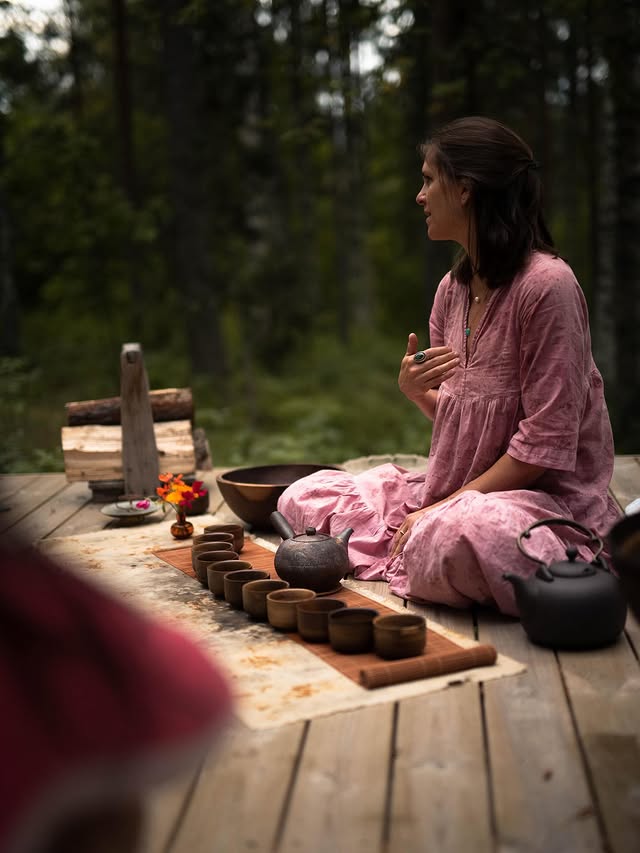
Becoming a Tea Ceremonialist: A Modern Path Rooted in Tradition
There is something quietly powerful about sitting with a bowl of tea, hands warm, mind still, heart open. For centuries, tea has been more than a drink — it has been a ritual, a practice, a ceremony that reminds us to slow down and reconnect. Today, more and more people in the U.S. are embracing this tradition by stepping into the role of a tea ceremonialist — a guide, teacher, and steward of tea culture who helps others experience its magic.
But what does it actually mean to become a tea ceremonialist, and how can you start this journey yourself?
What Is a Tea Ceremonialist?
A tea ceremonialist is someone who understands the spiritual, cultural, and practical dimensions of tea ritual and uses that knowledge to create meaningful experiences for others. This person isn’t simply serving tea; they are creating a space for presence, reflection, and connection.
Historically, tea ceremony roles were deeply tied to specific cultural traditions — from the Japanese Chadō (Way of Tea) to Chinese Gongfu Cha practices. A ceremonialist would spend years studying with a teacher, memorizing ritual forms, and understanding the philosophy behind each gesture.
In today’s world, the role has evolved. A modern tea ceremonialist might blend classical training with a personal interpretation of ceremony — integrating meditation, sound healing, journaling, or seasonal rituals. For many in the U.S., becoming a tea ceremonialist is about making tea a vehicle for mindfulness and sharing that with others.
The Traditional Roots of Tea Ceremony
To fully understand the modern path, we need to look at where it began. Tea ceremony originated as a way to honor tea as more than a beverage — it was a spiritual practice that embodied simplicity, respect, and harmony.
In Japanese tradition, the ceremony involves precise movements: how you hold the tea bowl, how you whisk the matcha, how you bow before and after drinking. These are not just rituals but a choreography of mindfulness, reminding you to stay present in each step.
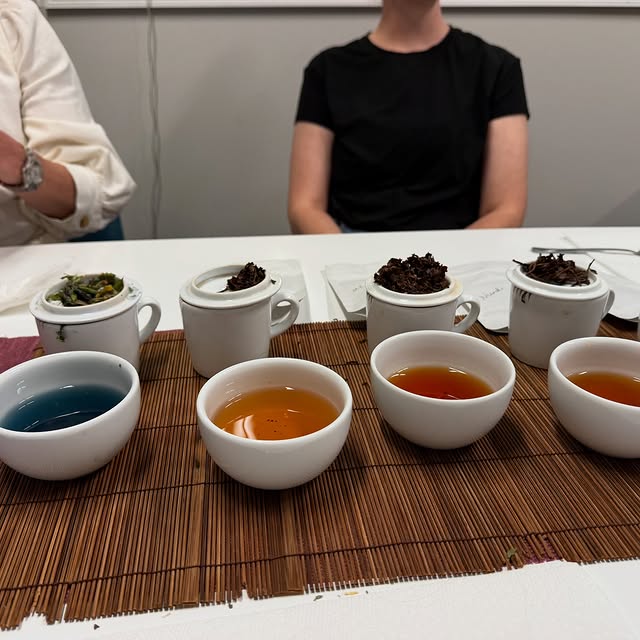
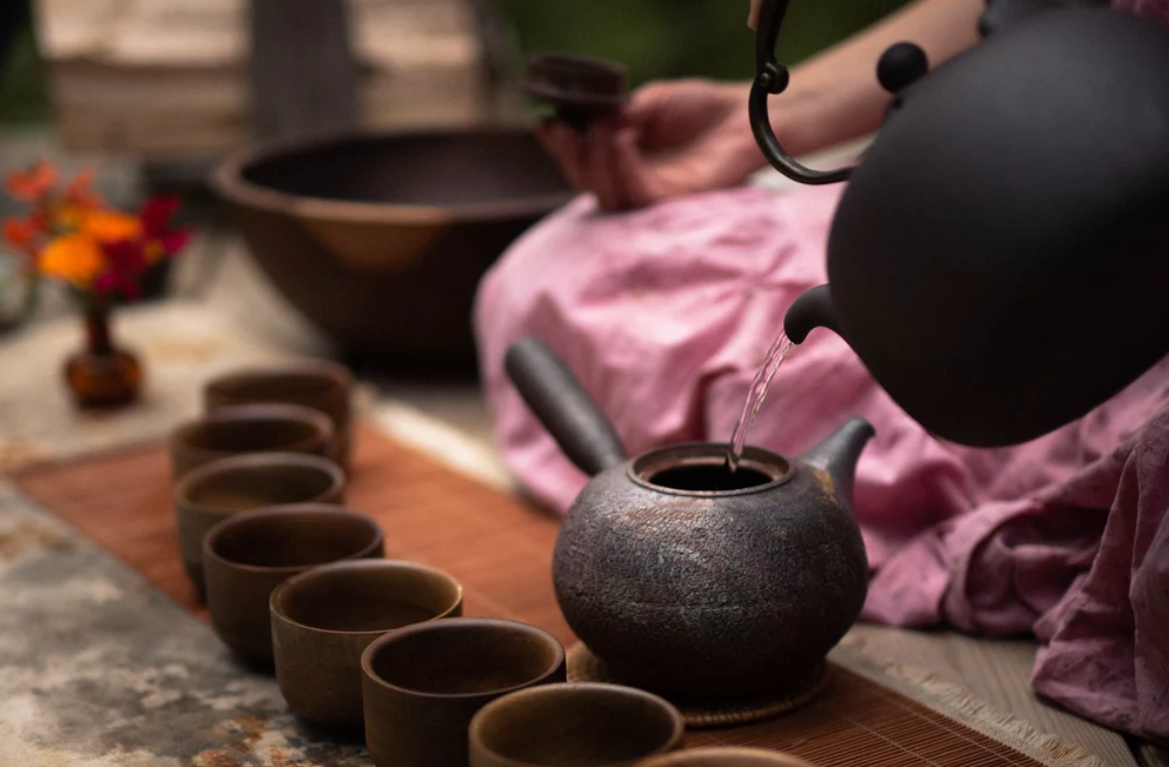
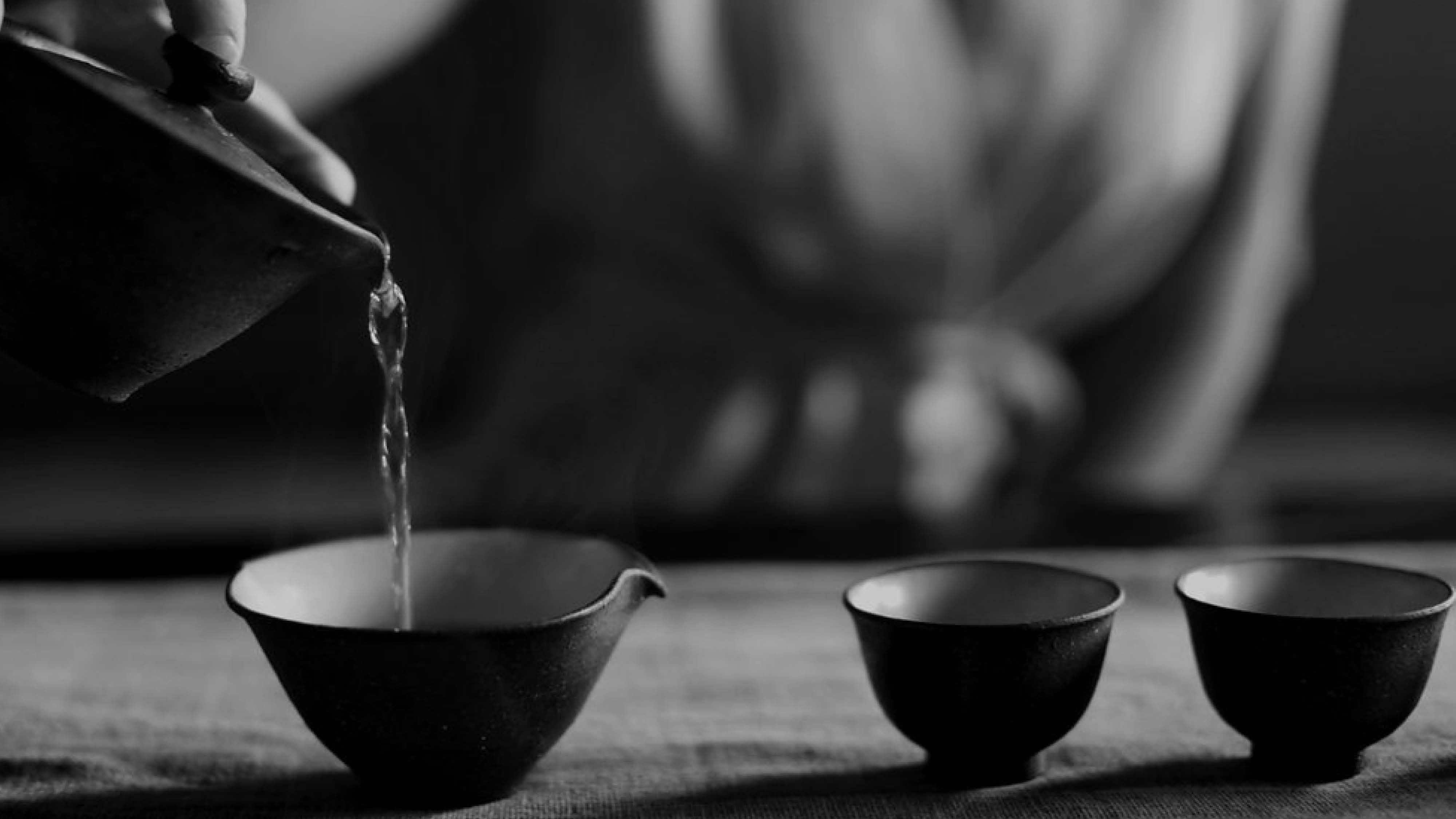
Chinese tea ceremonies emphasize the appreciation of flavor and fragrance through multiple steepings of loose-leaf tea. The focus is on slowing down enough to taste the subtle shifts in aroma, texture, and color with each pour.
For centuries, these ceremonies were deeply tied to culture and philosophy. Zen monks used tea as a way to stay awake during meditation. Poets wrote about tea as a companion for quiet contemplation. In every culture, tea served as both a practical beverage and a spiritual guide.
The Modern Adaptation in the U.S.
Today’s tea ceremonialist often walks a middle path — respecting these roots while adapting them for modern life. Many people in the U.S. are discovering tea not only as a drink but as a daily ritual that supports wellness, grounding, and self-care.
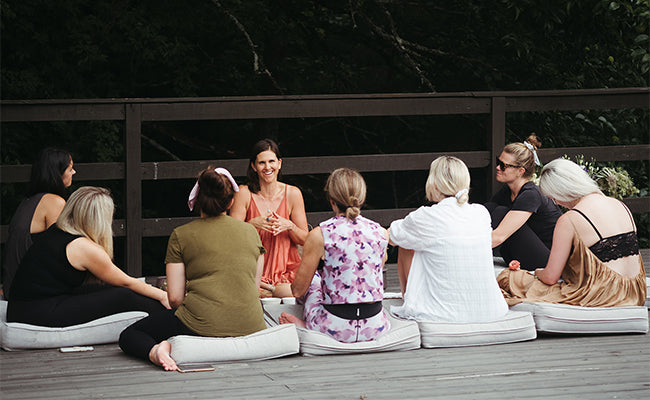
A tea ceremony in a Brooklyn loft might involve matcha whisked with traditional tools, but paired with journaling prompts or breathwork. A tea gathering in California might use rare oolongs alongside sound baths or moon circles. These modern adaptations make tea accessible while still preserving its essence: presence, mindfulness, and respect for nature.
This is what makes the path of the tea ceremonialist so exciting right now — it is a living tradition, growing and evolving with every new student who steps into it.
Steps to Becoming a Tea Ceremonialist
If you feel called to this path, here’s how you can begin:
1. Deepen Your Personal Tea Practice
Before guiding others, start with yourself. Create a tea ritual at home — maybe a morning matcha session or evening herbal infusion. Learn to brew intentionally, not just quickly. This personal practice is where you’ll begin to sense the power of tea as a teacher.
2. Study the Traditions
Enroll in a tea ceremony course or join online classes to understand the history, philosophy, and technique behind tea ceremonies. Learn from different lineages — Japanese, Chinese, Taiwanese — so you can appreciate the diversity of tea culture.
3. Commit to Tea Ceremony Training
Formal tea ceremony training will give you the skills to guide others. This might include studying how to prepare tea for groups, understanding the energetic flow of a ceremony, and developing your voice as a facilitator.
4. Practice with Community
A tea ceremonialist learns by doing. Host small circles for friends or join local tea groups. This will help you practice holding space, reading the energy of the room, and adjusting your ritual to fit the moment.
5. Keep Growing
Even after you begin hosting, the learning never ends. Advanced courses, seasonal retreats, and mentorship with experienced teachers can deepen your understanding and keep your practice alive.
How Tea Huntress Can Guide Your Journey
At Tea Huntress, this path is at the heart of what we do. Our online tea courses are designed to meet you where you are — whether you’re a curious beginner or ready for advanced training.
Founder Sarah Scarborough brings decades of experience as a tea ceremonialist, blending classical study with a modern approach that resonates with U.S. seekers. Our offerings range from introductory tea practice sessions to full tea ceremony training, as well as in-person retreats where you can experience the power of tea in a natural, meditative setting.
For those who feel called to step fully into this work, Tea Huntress offers programs that help you build confidence, connect with tradition, and share tea in a way that feels authentic to you.
The Call to Ceremony
Becoming a tea ceremonialist isn’t just about learning a ritual — it’s about stepping into a relationship with tea that transforms you. It’s about becoming a steward of stillness in a world that moves too fast.
If you’ve been feeling the pull toward this path, start with a single cup. Brew slowly. Breathe deeply. Notice how tea speaks to you. This is where it begins — and with the right training, practice, and community, this journey can become not just your personal practice but your offering to others.