
Tea Across Time Zones: Blending Moroccan Ritual with American Tea Blends
There’s something magical about tea—it transcends borders, cultures, and time zones. While the leaves may be grown in a particular region, the ways in which they are enjoyed are endlessly diverse. The Moroccan tea ritual, with its graceful pouring, fragrant mint, and communal spirit, is one of the most celebrated in the world. But what happens when you infuse that centuries-old tradition with the creativity of American herbal tea blends? You get a fusion of flavors, aromas, and experiences that feels at once familiar and thrillingly new.
At Teahuntress, we believe tea is both a bridge and a journey—an invitation to explore and connect. By blending the elegance of Moroccan tea culture with the boldness and variety of American tea blends, you can create a tea experience that’s both grounded in history and open to modern interpretation.
The Soul of Moroccan Tea Ritual
In Morocco, tea is more than a drink—it’s an expression of hospitality, a gesture of friendship, and a performance of beauty. Traditionally, Moroccan mint tea is made with Chinese green tea (often gunpowder tea), spearmint, and a generous amount of sugar. The preparation is deliberate: the tea is brewed, poured from high above into small glasses to create a foamy crown, and served with warmth and grace.
Every step of the ritual has meaning:
-
The choice of leaves speaks to quality and respect for the guest.
-
The pouring height is part showmanship, part aeration for a smoother taste.
-
The shared experience reflects the deep Moroccan value of connection over cups.
It’s a ceremony you can feel as much as taste.
Why Moroccan Tea Meets American Blends So Well
American tea culture is unafraid to experiment—herbal infusions, caffeine-free blends, adaptogens, and botanicals are all fair game. Unlike the strictly traditional Moroccan approach, American blending is playful, open to creativity, and often focused on health and wellness.
That openness makes Moroccan tea an ideal canvas for innovation. By replacing the base tea or introducing new botanicals, you can create a version of Moroccan mint tea that honours the ritual while embracing new layers of flavor and function.
Fusion Recipe Ideas to Try at Home
You don’t need to travel to Marrakech to enjoy the Moroccan spirit of tea. With a little imagination and a few well-chosen blends from Teahuntress, you can create your own East-meets-West tea rituals. Here are a few inspired ideas:
1. Moon Maiden Moroccan Mint
Base inspiration: Moon Maiden (Caffeine-free Botanical Blend)
Swap the green tea for our Moon Maiden blend, which offers soothing botanicals like chamomile and lavender. Prepare it Moroccan-style with fresh mint and a touch of honey instead of sugar for a calming evening ritual. Perfect for winding down while still honoring the art of the pour.
2. Wood Dragon Citrus Mint
Base inspiration: Wood Dragon (Ancient Arbor Golden Needle Red Tea)
Replace the traditional green tea with this golden-hued Yunnan red tea, adding a slice of orange and a few sprigs of mint. The malty depth of Wood Dragon pairs beautifully with citrus brightness, creating a fusion tea that feels both exotic and comforting.
3. Mother Nature Garden Mint
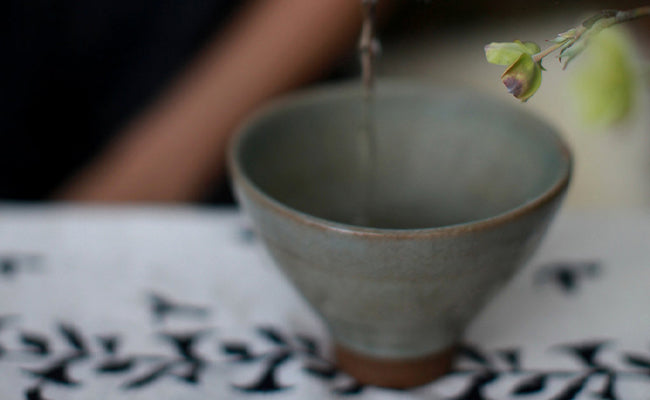
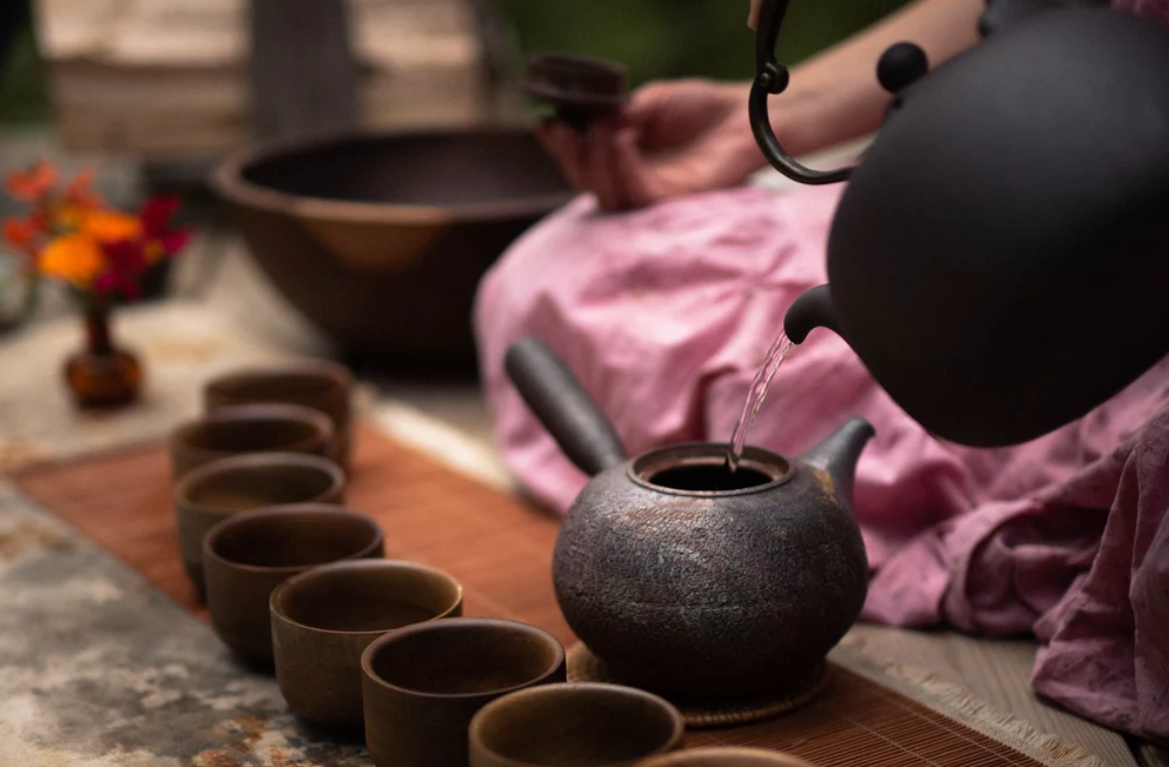
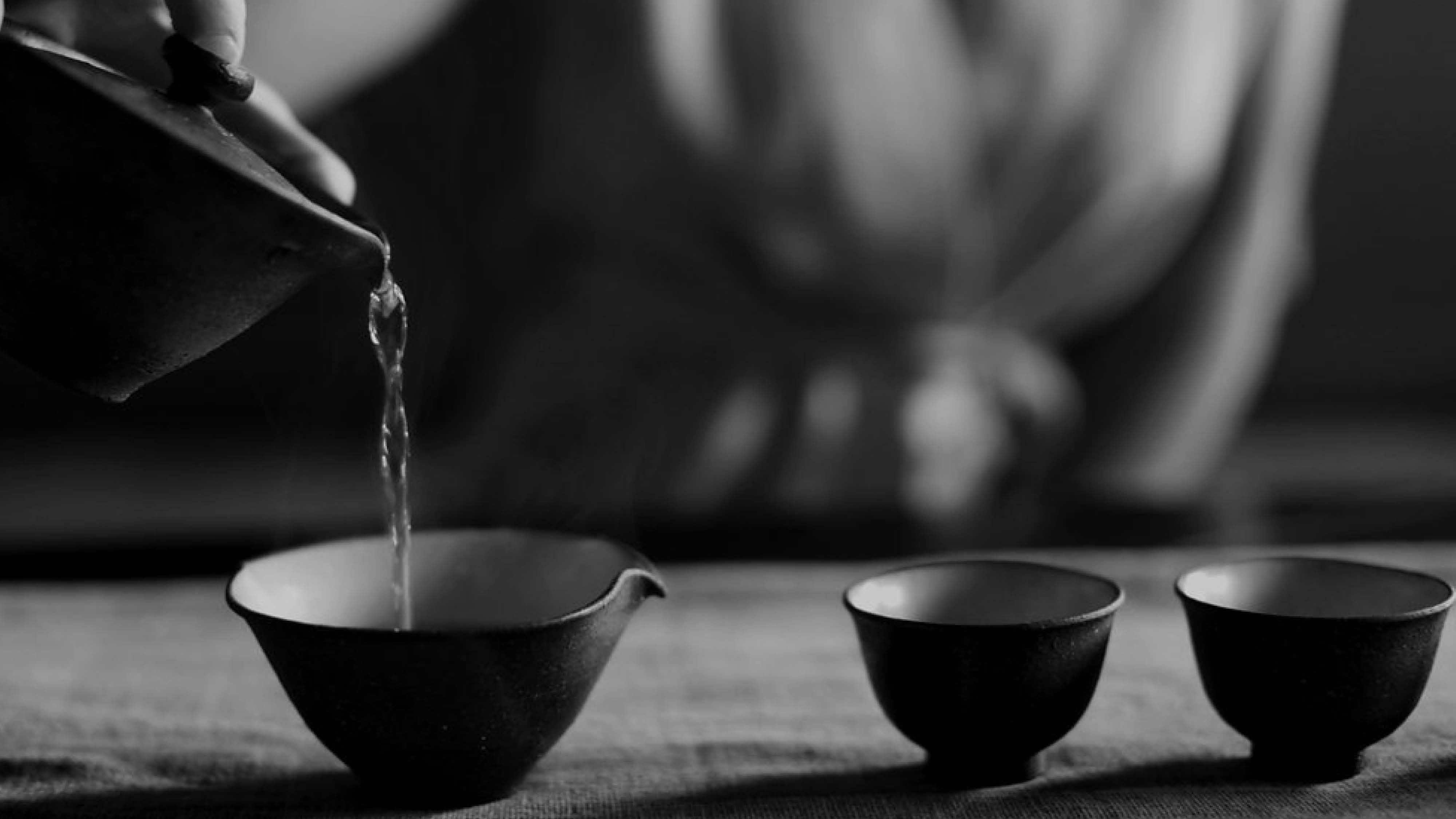
Tea is poured in small rounds, each cup a chance to savor not just the flavor but the sensation — the warmth of the cup, the color of the liquor, the steam rising like morning mist.
4. Spirit Dance Mint Spice
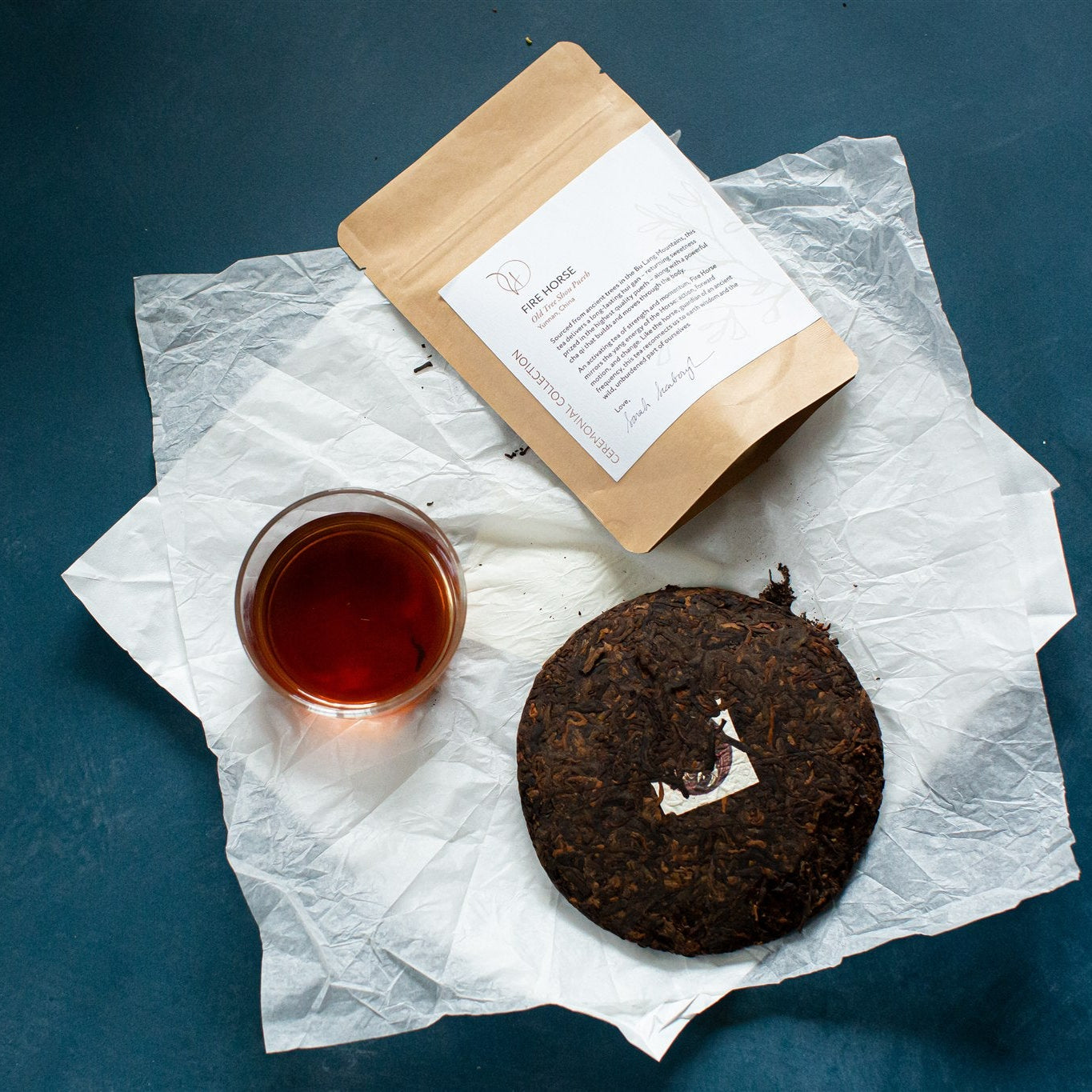
Base inspiration: Spirit Dance (Ancient Arbor 2012 Sheng Puerh)
If you want to keep the Moroccan mint energy but add an earthy complexity, this aged sheng puerh offers depth and intrigue. Add mint, a dash of cinnamon, and a drop of maple syrup for a bold, autumn-ready twist.
The Art of the Pour
No matter which blend you choose, the magic is in the presentation. Use a Moroccan teapot if you can—its long, curved spout is perfect for the high pour that creates the signature foam. If you don’t have one, a small kettle with a narrow spout works too. The goal is to pour in a steady stream from about 8–12 inches above the glass.
This isn’t just for looks—it aerates the tea, giving it a smoother texture and livelier aroma. It also turns your tea moment into a performance, adding a ceremonial quality that makes every sip feel special.
A New Tea Tradition for Your Table
By blending Moroccan tea techniques with American herbal and botanical creativity, you’re not just making a drink—you’re creating a new tradition. One that’s adaptable to the seasons, your mood, and the people you share it with.
Maybe in the summer, you serve iced Moroccan-style mint tea with hibiscus and berries for a refreshing twist. In winter, you might choose a grounding puerh blend with warming spices. The beauty is in the flexibility, the freedom to honor the roots of Moroccan tea culture while letting it evolve in your own home.
Where to Begin Your Fusion Journey
If you’re new to Moroccan tea rituals, start simple: fresh mint, your favorite Teahuntress blend, and a willingness to experiment. Watch videos of Moroccan tea ceremonies to get a feel for the pacing and style, then add your own botanical flair.
Our collections—from the grounding Mother Nature to the energizing Rising Phoenix—are all perfect candidates for Moroccan fusion recipes. Each blend brings its own personality, allowing you to create a tea experience that’s as unique as your own cultural palate.
Tea has always been a traveler. It moves along ancient trade routes, crosses oceans, and adapts to every culture it meets. By marrying Moroccan elegance with the spirit of American tea innovation, you become part of that story—bridging time zones, traditions, and tastes in every cup.